Mutual Funds Explained: How They Work, Types, Benefits, Risks and Investing Guide
Navigating the world of personal finance can often feel like deciphering a foreign language. With terms like asset…
Read article →

Investing money can feel like stepping into a room full of people speaking a completely different language. Acronyms get tossed around, markets fluctuate constantly, and everyone seems to have strong opinions about what you should do with your hard-earned cash. If you want to build wealth over time without spending every waking hour staring at stock charts, mutual funds are one of the most reliable places to start. They offer instant diversification, professional management, and an accessible entry point for everyday investors.
Before diving into buying your first fund, it helps to understand what you are actually buying.
A mutual fund pools money from thousands of individual investors to purchase a diversified portfolio of assets-usually stocks, bonds, or a mix of both. Instead of buying individual shares of Apple, Amazon, or Tesla, a mutual fund lets you buy a single product that holds small pieces of hundreds of companies all at once. Think of it like buying a fruit basket rather than buying single apples, oranges, and bananas. If one piece of fruit spoils, the rest of the basket is still fine.
Not all mutual funds work the same way. The single biggest distinction you need to know is between actively managed funds and passively managed funds.
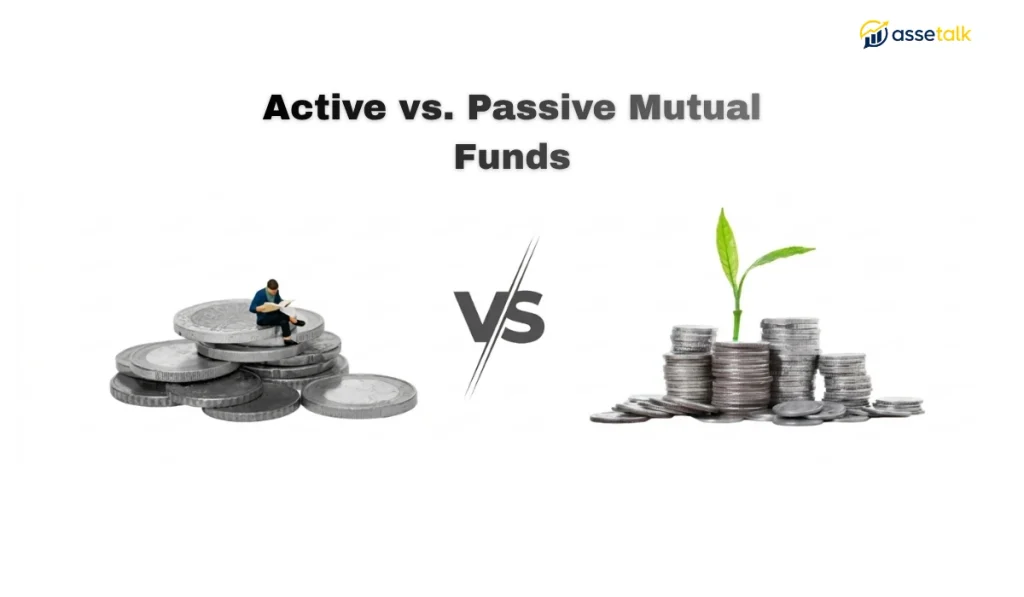
| Feature | Actively Managed Funds | Passively Managed Funds (Index Funds) |
| Goal | Beat the overall stock market | Match the performance of a market index |
| Management | Run by professional stock pickers | Automated to track indexes like the S&P 500 |
| Fees (Expense Ratio) | High (typically 0.50% to 1.50%+) | Low (often 0.03% to 0.20%) |
| Performance | Most fail to beat market indexes consistently over 10+ years | Matches market returns minus tiny fees |
For most beginners, passive index funds are the smarter choice. They carry dramatically lower fees, and history shows that low-cost index funds beat the majority of actively managed funds over long time horizons.
Investing in mutual funds is far simpler than most people realize. Follow these five practical steps to get started today.
Before spending a single dollar, clarify what you are investing for. Your timeline dictates how much risk you can safely take on.
To buy mutual funds, you need an investment account. The right account depends on your goal:
You buy mutual funds through investment platforms known as brokerages. Look for platforms that offer commission-free trading, low fund minimums, and an easy-to-use website or app.
Leading brokerage providers like Vanguard, Fidelity, and Charles Schwab are excellent options for beginners because they offer extensive selections of low-cost index funds and robust educational tools.
Opening an account takes about 10 minutes online. You will need to provide basic details like your contact information, bank account details for funding, and proof of identification.
Once your account is open and funded, it is time to choose your funds. Keep your portfolio simple-you do not need dozens of funds to be well-diversified.
Pay close attention to these three core metrics when choosing a fund:
If you want a classic, battle-tested strategy that covers the global economy in just three funds, consider this structure:
The final step is setting up automatic monthly contributions directly from your checking account. This strategy, known as dollar-cost averaging, means you automatically buy more shares when prices are low and fewer shares when prices are high.
Once your plan is set, the hardest part is doing nothing. Resist the urge to check your portfolio daily or panic sell when the market drops. Wealth building through mutual funds is a long-distance marathon, not a sprint.
Learning how to invest in mutual funds is one of the most effective financial skills you can master. You do not need thousands of dollars, an economics degree, or hours of free time every day to build a secure financial future. By opening a low-cost brokerage account, picking a handful of broad-market index funds, and setting up automatic monthly contributions, you put your money to work for you. Start small, stay consistent, and let time and compound growth handle the heavy lifting.