The Ultimate Property Investing Guide: How to Invest in Property and Build Long-Term Wealth
Building lasting wealth through real estate is a time-tested strategy that has created more millionaires than almost any…
Read article →
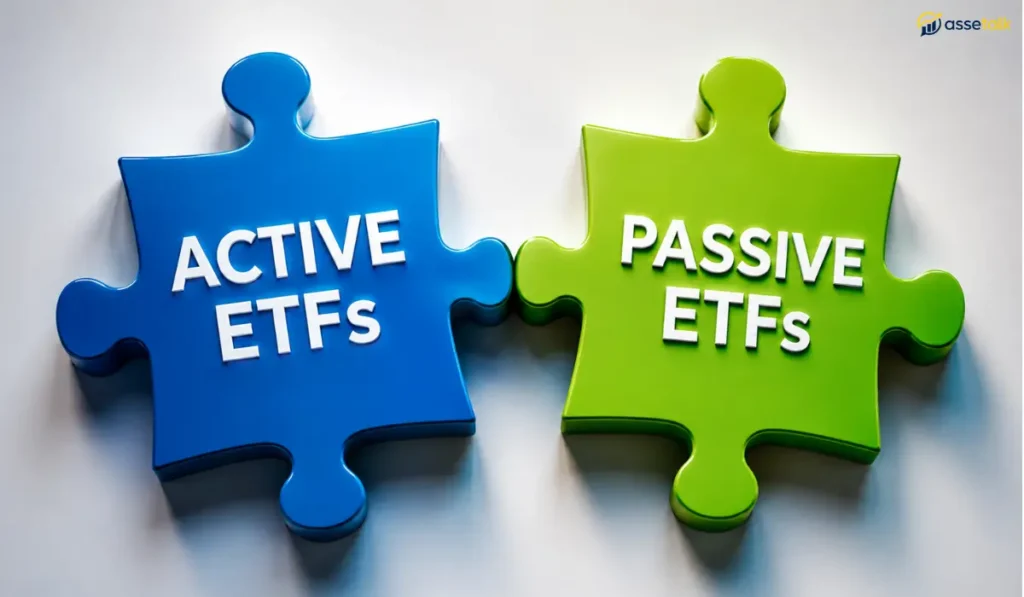
Exchange-traded funds have transformed how everyday investors build portfolios. Two main styles dominate the conversation: active ETFs and passive ETFs. Understanding the differences between them helps you decide which approach better suits your goals, time horizon and tolerance for risk.You will see how each works, what they cost, the potential rewards and the risks involved, so you can make clearer choices with your money.
An ETF is a basket of investments shares, bonds or other assets that trades on a stock exchange like a single share. You can buy or sell it throughout the trading day at market prices. This combination of diversification and easy access has made ETFs popular with both beginners and experienced investors. The key split comes in how the fund is managed.
Passive ETFs aim to match the performance of a specific index, such as the FTSE 100, S&P 500 or a bond index. The fund holds the same securities in roughly the same proportions as the index it follows. There is no attempt to beat the market the goal is simply to replicate it as closely as possible. Fund managers of passive ETFs make changes mainly when the underlying index itself changes. This rules-based approach keeps activity low and costs down.
Active ETFs take a different path. Professional managers research companies, economic trends and market conditions, then select investments they believe will outperform a benchmark index. They can adjust holdings more frequently, overweight promising sectors or avoid areas they see as weak. The aim is higher returns than a simple market tracker after fees. Success depends heavily on the skill of the management team.
Several practical differences matter when choosing between the two.
Passive funds follow an index with limited discretion. Active funds give managers freedom to deviate from the index in search of better results.
Passive ETFs typically charge much lower ongoing fees because research and trading activity remain minimal. Active ETFs usually carry higher expense ratios to cover the cost of research teams, analysis and more frequent trading.
A well-run passive ETF should deliver returns very close to its index, minus a small fee. An active ETF aims for higher returns but can also lag the index, sometimes by a wide margin.
Many passive ETFs publish their full holdings daily. Some active ETFs disclose less frequently or with a delay to protect their strategies, though regulations in many markets require regular reporting.
Both types trade on exchanges and generally offer good liquidity for popular funds. Spreads (the gap between buy and sell prices) can be tighter for large, established passive ETFs that track major indexes.
Passive ETFs suit investors who prefer a straightforward, low-maintenance approach. Lower costs compound powerfully over time. Even a 0.5% difference in annual fees can translate into thousands of pounds less growth in a portfolio held for decades. They remove the pressure of trying to pick winners. By owning the market, you capture the long-term upward trend of equities or bonds without needing to forecast which stocks will do best. Diversification comes built in. A single passive ETF can give exposure to hundreds of companies across sectors and countries.
Tax efficiency is often strong in many jurisdictions because lower turnover generates fewer taxable events inside the fund. For most long-term investors, especially those building wealth through regular contributions, passive ETFs provide reliable market returns at minimal cost.
Active ETFs appeal when you believe skilled managers can add value. In certain market conditions such as periods of high volatility or when specific sectors look mispriced active managers may position portfolios more defensively or aggressively than a rigid index allows. Some active strategies focus on particular themes, such as quality companies, dividend growth or environmental criteria, while still using the ETF structure for daily liquidity.
Managers can respond quickly to new information, reduce exposure to troubled companies or increase holdings in promising areas. For investors comfortable with the possibility of underperformance in exchange for a chance at outperformance, active ETFs offer that flexibility.
Passive investing is not risk-free. You accept the full ups and downs of the market. When the index falls sharply, the passive ETF falls with it. There is no manager stepping in to reduce risk. Concentration risk can appear in popular indexes. A handful of large technology companies may dominate the S&P 500 or similar benchmarks, so a passive fund tracking them becomes heavily exposed to those names.
If the index methodology itself has flaws or becomes outdated, the ETF inherits those issues. Tracking error, though usually small, means the fund’s return may not match the index exactly because of fees, cash holdings or trading costs.
Active management introduces its own set of challenges. Most active managers fail to beat their benchmarks consistently over long periods after fees. Past outperformance does not guarantee future results. Higher fees create a steeper hill to climb. The fund must outperform by more than the extra cost just to match a cheaper passive alternative. Manager risk is real. Strategy changes, team departures or periods of poor decision-making can hurt returns.
Some active ETFs may hold less liquid securities or take concentrated positions, increasing volatility compared with broad market trackers. Style drift can occur if managers move away from their stated approach without clear communication.
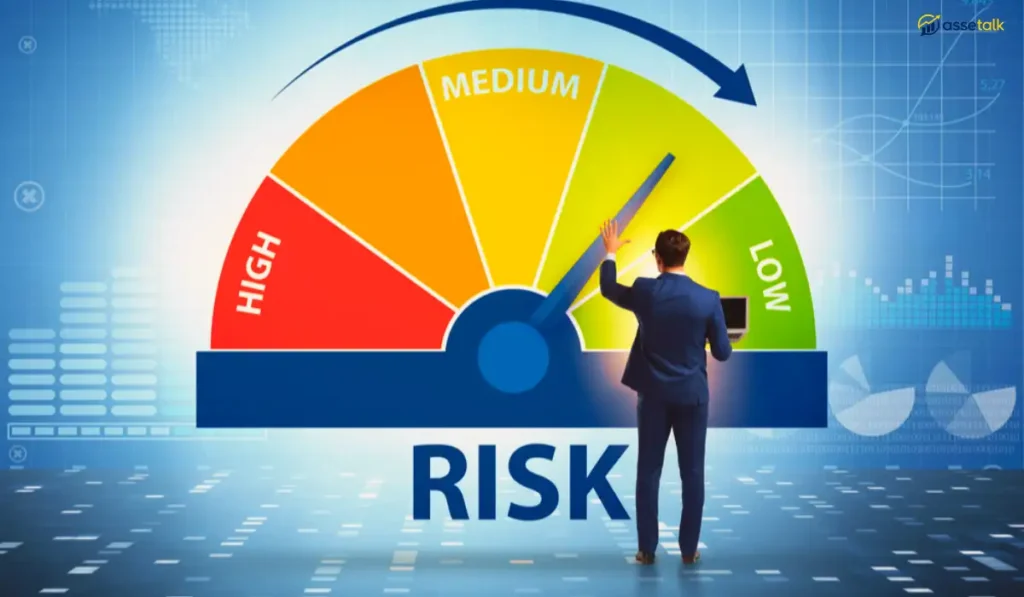
Expense ratios form the most visible cost difference in ETF investing. Passive equity ETFs often charge between 0.03% and 0.20% per year. Active equity ETFs commonly range from 0.50% to over 1.00%, though competition has brought some active fees lower in recent years. Other costs include bid-ask spreads when you buy or sell, and possible brokerage commissions depending on your platform. Over a 20- or 30-year period, the compounding effect of lower fees usually favours passive funds for core holdings. Always check the total expense ratio and compare like-for-like funds that track similar markets.
There is no universal answer. Many investors blend both approaches. A core portfolio of low-cost passive ETFs covering global equities and bonds provides a solid foundation. Satellite holdings in carefully selected active ETFs can add exposure to areas where active management has historically shown more potential, such as smaller companies, emerging markets or specialised fixed income.
Consider your time horizon, how much attention you want to give your investments, and whether you believe markets are largely efficient. If you prefer simplicity and cost control, lean passive. If you want the possibility of outperformance and accept the extra risk and cost, active funds may play a role.
Review performance net of fees over multiple market cycles rather than short periods. Consistency of process and transparent communication from the manager matter more than a single strong year.