The Ultimate Property Investing Guide: How to Invest in Property and Build Long-Term Wealth
Building lasting wealth through real estate is a time-tested strategy that has created more millionaires than almost any…
Read article →
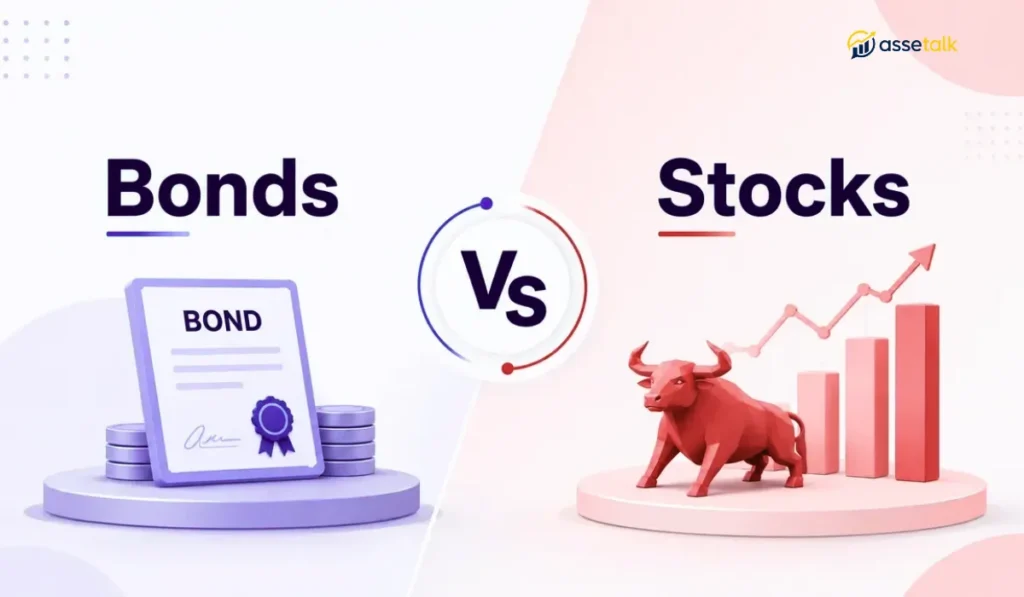
Building a strong financial future often comes down to one fundamental decision: how should you split your money between bonds vs stocks? Whether you are saving for a house, building a nest egg for retirement, or simply looking to make your money work harder, understanding these two asset classes is essential. While both can help you build wealth, they operate in completely different ways.
Stocks offer high growth potential but come with a wilder ride. Bonds offer predictable income and stability, but their returns are typically more modest. This comprehensive guide breaks down the key differences, risks, and returns between bonds vs stocks to help you decide which investment option fits your financial goals.
When you buy a stock (also known as an equity or share), you are buying a piece of ownership in a business. If you purchase $1,000 worth of shares in a company, you become a micro-owner. As the business grows, expands its profits, and increases its market value, the price of your shares goes up.
Investors earn money from stocks in two primary ways:
However, if the business struggles or the broader market takes a downturn, the value of your shares can drop quickly. Stocks carry no guaranteed return.
When you buy a bond, you are not buying a piece of a business. Instead, you are lending money to an issuer, such as a government, municipality, or corporation.
In exchange for your loan, the borrower agrees to pay you back in two ways:
For example, if you buy a 10-year corporate bond for $1,000 with a 5% coupon rate, you will receive $50 a year in interest payouts. At the end of the 10 years, you get your original $1,000 principal back.
While both options allow you to invest capital, their underlying structures are fundamentally different.
| Feature | Stocks (Equity) | Bonds (Debt) |
| Your Role | Part-owner of the company | Lender / Creditor to the issuer |
| Primary Goal | Long-term capital growth | Capital preservation and regular income |
| Income Type | Variable dividends (not guaranteed) | Fixed interest payouts |
| Growth Potential | Unlimited | Capped at the fixed interest rate |
| Volatility | High (prices fluctuate daily) | Low to moderate |
| Bankruptcy Claim | Paid last during liquidation | Priority payout over shareholders |
The fundamental rule of investing applies directly here: higher potential returns require accepting higher risks.
Stocks have historically outperformed almost every other asset class over long horizons. Over multi-decade periods, broad equity indexes like the S&P 500 have generated average annualized returns around 10% before inflation.
However, that growth comes at the cost of short-term volatility. Stock prices react constantly to economic updates, company earnings reports, and geopolitical events. In a bear market or economic recession, a stock portfolio can lose 20%, 30%, or more of its value within months.
Key Stock Risks:
Bonds are designed to be the stabilizing anchor of a portfolio. They generally yield lower total returns than equities over decades, but they offer far smoother performance year to year.
Key Bond Risks:
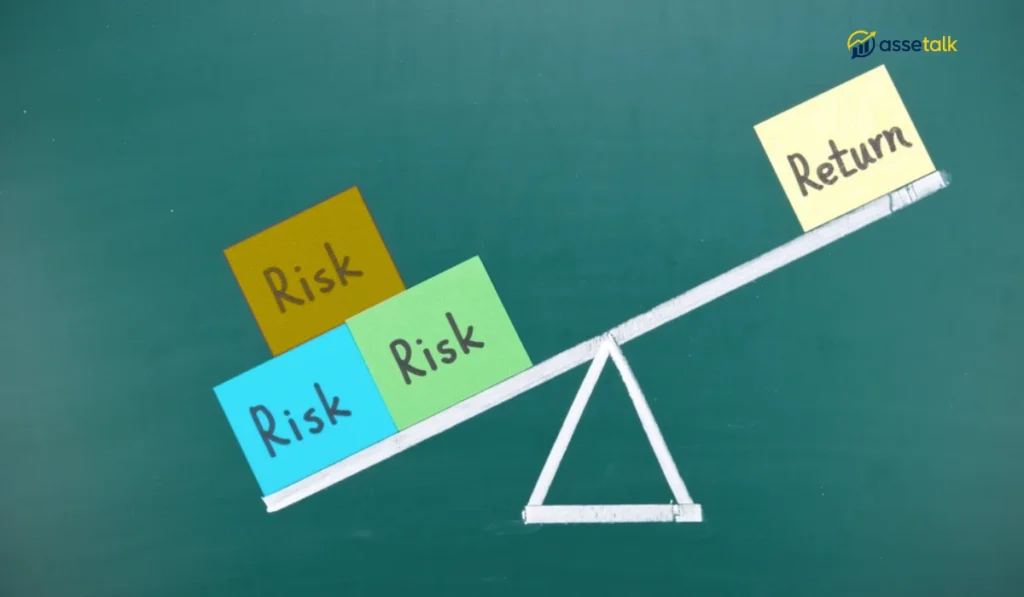
There is no universal answer to whether bonds vs stocks are better. The right choice depends entirely on your personal situation.
You do not have to pick just one asset class. In fact, combining bonds vs stocks in a single portfolio is one of the most effective strategies for balancing growth and protection. During bull markets, your stock holdings generate capital appreciation. During market pullbacks, high-quality bonds cushion the blow, preventing severe drawdowns.
A traditional guideline used by many financial planners is the “100 Minus Age” rule:
For example, a 30-year-old might hold 70% in stocks for growth and 30% in bonds for stability. A 60-year-old approaching retirement might flip that balance to 40% stocks and 60% bonds to protect accumulated wealth.
Comparing bonds vs stocks is not about finding a single winner. It is about understanding how each asset class serves a distinct purpose in your broader financial strategy. Stocks act as the growth engine that drives your portfolio forward over the long term. Bonds act as the suspension system, smoothing out the bumpy ride along the way. By aligning your mix of bonds and stocks with your target timeline, financial goals, and personal risk comfort, you can build an investment plan designed to handle any market environment.