The Ultimate Property Investing Guide: How to Invest in Property and Build Long-Term Wealth
Building lasting wealth through real estate is a time-tested strategy that has created more millionaires than almost any…
Read article →
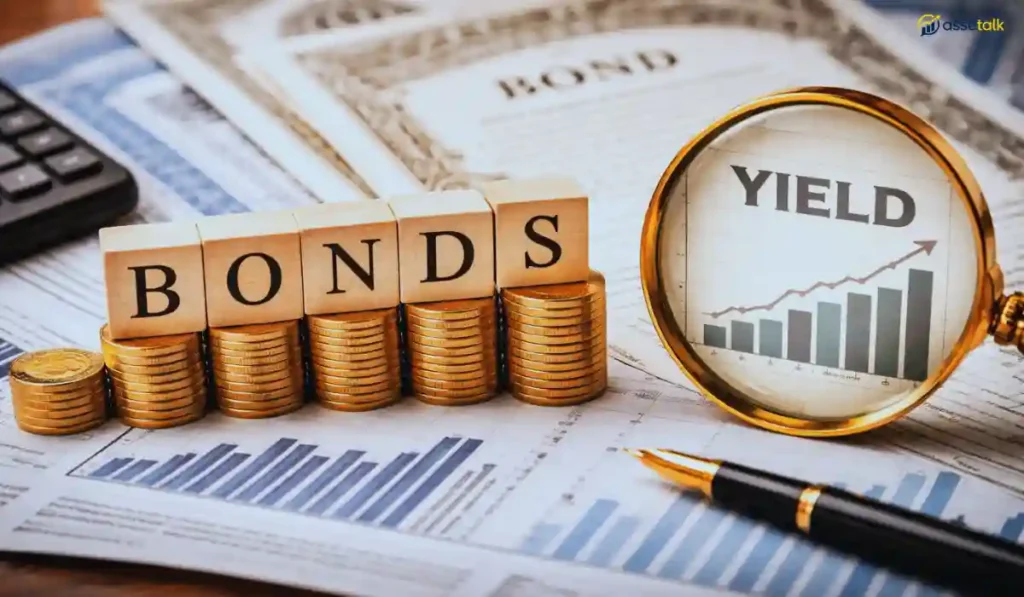
When people talk about investing, shares usually steal the spotlight. We hear about volatile stock markets, tech booms, and company dividends every day. However, behind the scenes, there is another asset class that quietly powers the global financial system: bonds. Whether you want to protect your wealth, generate a steady income, or balance out a risky share portfolio, bonds are an essential tool. But what exactly are they, how do they generate returns, and how can you add them to your portfolio?
At its simplest, a bond is an IOI. When you buy a bond, you are lending your money to an issuer usually a government or a corporation.
In exchange for your cash, the issuer promises two things:
Think of it like being the bank. Instead of borrowing money from an institution, a company or government borrows it directly from everyday investors like you.
To understand how bonds work, it helps to know a few basic terms:
Imagine a company issues a 10-year bond with a face value of $1,000 and a 4% coupon rate.
If you buy this bond directly from the issuer:
Total profit? $400 in interest payments over the decade, plus your initial deposit returned intact.
Here is the trickiest part for beginner investors: when interest rates rise, bond prices fall, and vice versa. Why? Imagine you hold a bond paying 3% interest. If central banks raise interest rates and new bonds start paying 5%, nobody wants your 3% bond at full price. To sell it, you have to lower its price. Conversely, if interest rates drop, your 3% bond becomes more attractive, so its market price goes up.
Not all bonds carry the same level of risk or reward. They are generally categorized by who issues them:
In the UK, government bonds are known as Gilts. Because governments can raise taxes or print money to pay off debt, government bonds from developed nations are considered among the safest investments available.
Companies issue bonds to fund business growth, build infrastructure, or launch new products. Because companies can go bankrupt, corporate bonds carry higher risk than government bonds. To compensate for this risk, they offer higher coupon rates.
These are corporate bonds issued by companies with lower credit ratings. They carry a higher risk of default, but they offer attractive, high interest rates to entice investors.
These bonds feature coupon payments and principal values that adjust automatically alongside inflation rates (such as the Retail Price Index in the UK), protecting your purchasing power over time.

Investors earn money from bonds in two primary ways:
While bonds are generally safer than shares, they are not completely risk-free. Here are the main risks to keep in mind:
To gauge default risk, independent credit agencies give bonds credit ratings:
| Rating Category | Agencies’ Grade | Description |
| Investment Grade | AAA to BBB- | Low default risk, issued by stable governments and solid companies. |
| High Yield / Non-Investment Grade | BB+ and below | Higher risk of default, but pays higher interest to compensate. |
Ready to add bonds to your portfolio? You don’t need millions to get started. Here are the most common routes:
You can buy individual UK Gilts or corporate bonds directly through major investment platforms. You can hold them until maturity to receive your capital back, assuming the issuer doesn’t default.
For most personal investors, buying a Bond Fund or Bond ETF (Exchange-Traded Fund) is the easiest option. A single fund holds hundreds of different government and corporate bonds, giving you instant diversification.
Popular platform features allow you to hold these inside tax-efficient accounts, such as a Stocks and Shares ISA or a SIPP (Self-Invested Personal Pension) in the UK, meaning your interest income is completely tax-free.
Bonds and shares serve very different roles in a portfolio:
| Feature | Bonds | Shares (Stocks) |
| Your Role | Lender | Part-owner |
| Primary Benefit | Steady income & capital preservation | Long-term capital growth |
| Risk Level | Generally lower | Generally higher |
| Returns | Fixed, predictable payments | Variable dividends and market growth |
Rather than picking one over the other, most successful investors use a mix of both. Shares provide the growth required to beat inflation over the long run, while bonds act as a shock absorber during stock market downturns.
Bonds are an essential ingredient for a well-balanced financial plan. They offer regular income, protect capital, and cushion your portfolio when stock markets get bumpy. If you are young and investing for a goal 20 years away, your portfolio might lean heavily towards shares. But as you get closer to retirement or if you simply prefer a smoother financial ride adding bonds or bond ETFs becomes a smart strategy for preserving the wealth you have built.